


Why Are My Peace Lily Flowers Turning Brown or Green?
Peace lilies (Spathiphyllum), with their elegant white blooms, are popular indoor plants known for their air-purifying qualities. However, when those pristine flowers start turning brown or green, it can be concerning for plant enthusiasts. And that could be due to many reasons, such as poor lighting, overwatering, or too much fertilizing. The good news is that you can adjust these factors to ensure that your peace lily thrives.

Peace lilies (Spathiphyllum), with their elegant white blooms, are popular indoor plants known for their air-purifying qualities. However, when those pristine flowers start turning brown or green, it can be concerning for plant enthusiasts. And that could be due to many reasons, such as poor lighting, overwatering, or too much fertilizing. The good news is that you can adjust these factors to ensure that your peace lily thrives.
Below: how long each flower lasts, 6 causes of brown flowers, 3 causes of green ones, and how to fix each.
About Peace Lily's Life Cycle

Peace lilies are perennial evergreen plants with glossy, dark green oval-shaped leaves and distinctive white flowers. They are native to tropical regions and thrive in indirect sunlight and humid conditions. Peace lilies have an average lifespan of 3 to 5 years, but this depends on their environment and care. Some indoor variants may live for up to 20 years.
How Often Do Peace Lilies Bloom?
Healthy peace lilies flower twice a year, in mid-spring and again in mid-autumn. However, this may vary depending on the specific conditions provided to the plant. Factors that influence how often peace lilies bloom include proper lighting conditions, watering, fertilization, temperature, and humidity.
Related: Peace Lily Meaning & Symbolism
How Long Do Peace Lily Flowers Last?
Peace lily flowers can last from 1 to 2 months or more with the right care, adding a touch of elegance to indoor spaces. However, the flowers can change color as the plant ages or encounters specific issues, manifesting in brown, green, or black shades.
Peace Lily Flowers Turning Brown: 6 Causes and Solutions

First, check the flower's age. A bloom that has been open for a month or more is browning naturally (see 6. Aging below). If a newer flower turns brown, work through these causes.
Seeing brown tips on the leaves rather than the flowers? That is a leaf problem with different causes; see peace lily leaves turning yellow or brown.
1. Poor Watering Practices
While peace lilies prefer consistently moist soil, prolonged underwatering or overwatering can lead to brown flowers. Too much water causes root rot, leading to brown foliage and blooms. In contrast, too little moisture can strain your plant.
Solutions:
- Maintain consistently moist soil without overwatering.
- Allow the top inch of soil to dry before watering again.
2. Insufficient Humidity
Peace lily flowers may turn brown if they grow in indoor spaces with low humidity. These include heated and air-conditioned rooms with reduced levels of air moisture, which can lead to browning flowers of your beloved peace lily plant.
Solutions:
- Maintain proper humidity levels.
- Mist the flowers and leaves to increase humidity.
3. Improper Lighting
Direct sunlight can scorch your peace lily flowers, turning them brown. Similarly, insufficient light makes it difficult for the plant's flowers to grow healthy and white.
Solutions:
- Move the plant to a location with bright, indirect light.
- Provide shade during the hottest part of the day.
4. Stress
Frequent repotting, poor soil quality, nutrient deficiencies, inadequate light, and poor watering can all distress your peace lily. This causes the plant's flowers and leaves to turn brown or black and look wilted or deformed.
Solutions:
- Repot it in early spring only and handle roots gently.
- Ensure the new pot has proper drainage.
- Adopt a proper watering routine.
5. Poor Soil Mix
Using compact potting soil with poor drainage makes it difficult for your peace lily's roots to breathe. This can cause root rot, leading to brown flowers.
Solutions:
- Use a soil mix of peat moss, pine bark, and perlite to ensure proper drainage and aeration.
- Repot the peace lily into a larger pot with adequate drainage holes.
6. Aging
In the peace lily's natural life cycle, the flower starts green, turns white, and then brown as it ages. So, a peace lily flower turning brown doesn't always signify a problem. In other words, when a healthy flower is browning, this most likely means that its natural life cycle is coming to an end.
Solutions:
- Remove brown or faded flowers promptly.
- Ensure adequate watering and proper light conditions.
Why Are My Peace Lily Flowers Turning Green?

Green peace lily flowers are usually normal. The white part is a spathe, a modified leaf, and it often turns green again 2 to 3 weeks after opening as it ages. Green that comes on within days of a flower opening can point to too much fertilizer or the wrong light. A green flower will not turn white again.
1. Improper Fertilizer Application
Too much fertilizer can push new flowers to turn green early. Feed from late winter through summer only, with a balanced liquid fertilizer diluted to half strength.
Solution:
- Flush the soil thoroughly to remove excess fertilizer.
- Adjust your fertilization schedule.
- Use a balanced, diluted fertilizer to correct deficiencies.
2. Inadequate Light
Insufficient light can slow the natural aging process, causing the flowers to linger in the green stage.
Solution:
Move the plant to a location with bright, indirect light to support proper flower development.
3. Environmental Stress
Sudden changes in temperature or humidity can stress the plant, impacting the normal flower development and aging process.
Solution:
Maintain consistent environmental conditions, including the right temperature and humidity levels. This helps reduce stress on the plant and promotes its optimal growth.
Peace Lily: Care Tips

Light
Place your peace lily in bright, indirect light. While peace lilies can tolerate low light conditions, placing them in a well-lit spot encourages healthy flowering. Avoid direct sunlight, as it can scorch the leaves and flowers.
Water
Keep the soil consistently moist but not soggy. Water your peace lily weekly in warmer months and every 2 to 3 weeks in the winter. Always let the top 1-3 inches of soil dry before watering again to avoid overwatering. Overwatering can lead to root rot, while underwatering can strain the plant.
Soil
Use a well-draining potting mix to prevent waterlogging and root rot. A mixture containing peat moss, perlite, and pine bark provides the ideal balance for peace lily growth.
Fertilizer
Apply a balanced liquid fertilizer every 4 to 6 weeks during the growing season (spring and summer). Over-fertilization can lead to brown spots on the flowers, and green flowers, so use a diluted, balanced fertilizer per the plant's needs.
Humidity and Temperature
Maintain medium humidity levels by misting the leaves occasionally or by placing a humidifier nearby if the air is too dry. Peace lilies thrive in temperatures between 68°F and 85°F, and consistent conditions contribute to their overall well-being.
Pruning and Cleaning
Trim yellow or brown leaves and faded flowers regularly. Pruning encourages new growth and helps maintain the plant's appearance. Dust the leaves, as well, to keep them shiny and facilitate photosynthesis.
Why Are My Peace Lily Flowers Turning Brown or Green? FAQs
Q: Should I cut off brown peace lily flowers?
A: Yes, it's advisable to trim brown flowers. Pruning improves the plant's appearance and redirects energy toward producing new, healthy blooms. Use sharp and sterilized scissors or shears for precise, clean cuts.
Q: How do I get more flowers on my peace lily?
A: To encourage more blooms, provide optimal conditions. Place your plant in a room with indirect, bright light, adhere to a consistent watering schedule, and fertilize during the growing season. Regular deadheading of faded flowers also stimulates continuous flowering.
Q: Do green peace lily flowers turn white again?
A: No, green flowers on your peace lily won't revert to white. This is a natural part of the peace lily's life cycle. Instead, they will turn brown and eventually die off. Ensure proper care to prevent further discoloration and encourage healthy flowering.
Q: Why are my peace lily flowers turning black?
A: A flower that blackens after weeks of bloom, while the leaves stay green, is simply spent; cut it off at the base. Buds that turn black before they open usually point to overwatering or a fungal or bacterial infection. Remove them, let the top inch of soil dry between waterings, and check that the pot drains.
Q: Should I cut off green peace lily flowers?
A: While not necessary, removing green flowers is a good idea. It improves the plant's aesthetic appeal and makes them redirect energy for new blooms. Check light levels and adjust to promote healthier flower development. Note, however, that the spathe on a peace lily is naturally green before turning into a bright white flower. So, make sure that you don't trim healthy blooms.
Conclusion
Brown or green flowers are usually a sign of age, not trouble. If a flower changes color within a few weeks of opening, check light, water, humidity, soil, and feeding using the steps above, and cut spent flowers at the base. However, if you notice the peace lily flower turning brown, black, or green sooner, it could be due to various reasons. These include over or underwatering, incorrect lighting and feeding, poor soil mix, and low humidity levels. You can prevent the browning of the flowers and foliage and keep the plant healthy and happy by providing it with the right growing conditions.
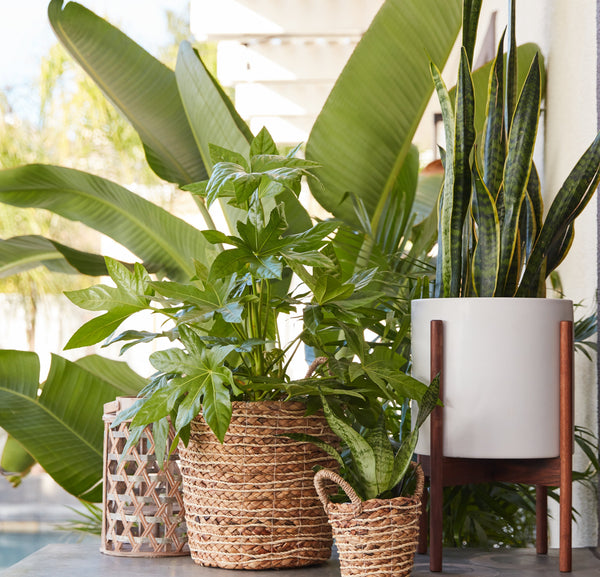
And if you're wondering what other plant varieties to grow together with your peace lily, consider the popular ZZ plant and Golden pothos, or a selection of snake plants for a truly harmonious and lavish indoor garden.




Large Peace Lily. New green flowers and the tips of the spathe flower are black where they should be turning yellow.
Thank you for the helpful tips to care for my Peace Lily. I found out my over watering was the problem.
Leave a comment