


How to Repot a Snake Plant and Choose the Best Soil
If you love and grow snake plants at home, you probably know how undemanding and low-maintenance they are. Known for their straight, sword-like leaves, these drought-tolerant beauties can reach up to 2 or 3 ft. in height. They are hardy, too, which makes them a firm favorite among plant parents who are always on the go. Still, snake plants are prone to issues, especially if you don’t know the best soil for snake plants and when to repot your Sansevieria.

If you love and grow snake plants at home, you probably know how undemanding and low-maintenance they are. Known for their straight, sword-like leaves, these drought-tolerant beauties can reach up to 2 or 3 ft. in height. They are hardy, too, which makes them a firm favorite among plant parents who are always on the go. Still, snake plants are prone to issues, especially if you don’t know the best soil for snake plants and when to repot your Sansevieria.
Like many other houseplants, Sansevieria plants should be repotted in fresh soil every 2-3 years to promote healthy growth. Although they can tolerate being a little root-bound, timely repotting is vital for your snake plant’s optimal health.
This comprehensive guide will help you learn about repotting a snake plant properly, along with aftercare tips, from sunlight needs to fertilization. So, let's get started without further ado.
About Snake Plants

Native to tropical West Africa, snake plants (Sansevieria) are popular succulents, recognized for their attractive, sword-like leaves. These beauties are perfect for beginners and seasoned plant enthusiasts, as snake plant care is relatively easy. Sansevieria plants thrive in well-draining soil and can tolerate infrequent watering because of their water-storing capabilities. Snake plants do well in various light conditions, even in low-light environments. However, they grow best in bright, indirect sunlight.
There are many beautiful varieties of snake plants, such as the Black Gold Snake Plant, known for its striking yellow edges, and the Sansevieria Fernwood, which has narrow, upright leaves. The Sansevieria Samurai is another top-selling Mother-in-Law’s Tongue variety with unique, compact leaves that add visual interest to any space.
In addition to their attractive appearance, snake plants symbolize resilience and strength, making them a great addition to your home or office. However, note that snake plants are toxic to cats and dogs if ingested, so keep them out of reach of your curious pets.
When to Repot a Snake Plant
The best time to repot a snake plant is early spring or summer. This is when your plant will be actively growing and will be less prone to transplant shock. Nevertheless, you can repot a snake plant anytime, as long as you ensure the plant is healthy and not experiencing stress from extreme temperatures or conditions.
How Do I Know When to Repot My Snake Plant?
There are some sure signs that your snake plant will clearly show you it's ready for repotting.
- Its roots show out of the drainage holes, indicating no space left to expand within the pot.
- The water appears to pass out from the bottom of the container almost immediately, which indicates that the soil is too old and depleted of nutrients.
- The pot has cracks, due to the plant’s roots trying to force their way out.
- There's no visible growth of your snake plant even after proper care.
- The leaves are no longer vibrant and glossy but turning yellow, drooping and wilting, etc.
- The soil appears too wet with a foul smell coming out of the root ball, indicating root rot.
- The snake plant hasn’t been repotted for over 3 years.
- There are several new “pups” near the base of the plant, ready for separating and propagation, which is best done during repotting.
How Often to Repot Snake Plants
Snake plants are slow-growing, reaching up to a foot per year in ideal conditions. That being said, they don't need to be repotted often, but rather every 2–3 years. If yours has matured into a large plant, consider dividing it into a few smaller plants and propagating it this way, instead of repotting it into a larger pot.
What Size Pot Does a Snake Plant Need?
Choose a pot about 2 inches wider than the current one, with a drainage hole. Snake plants do not need a deep pot: their rhizomes spread outward rather than down, and the extra soil in a deep or oversized pot stays wet longer, which can lead to root rot. Clay or terracotta works well because it is heavy enough to keep tall leaves from tipping and dries faster than plastic.
Best Soil for Snake Plants

Before you start repotting your snake plant, choose suitable soil for snake plants to help your Sansevieria thrive. The right soil for these drought-resistant plants has essential nutrients and drains well.
What Kind of Soil Do Snake Plants Need?
Snake plants are succulents, so they need a loose, fast-draining mix that dries out between waterings. Any of these works:
- A bagged cactus and succulent potting mix
- Equal parts cactus mix and regular indoor potting soil
- Regular potting soil with perlite, pumice, or coarse sand added
Avoid heavy garden soil, which stays wet and can lead to root rot.
Can I Use Succulent Soil for Snake Plants?
Yes, you can use succulent soil for snake plants. It provides good drainage and aeration, which the plants need for optimal growth. You can use the readily available succulent soil mix as it is, or enrich it with more nutrients.
Repotting a Snake Plant: Tools and Supplies
Collect the following tools and supplies to repot a snake plant:
- Gardening gloves
- Clay or ceramic container (at least 2” wider)
- Chemical-free water at room temperature
- Sterilized scissors or pruning shears
- Cactus potting mix (or regular soil with perlite and sand)
- Plastic sheet or old newspaper
How to Repot a Snake Plant the Right Way

Follow these five steps.
1. Remove the Plant From Its Existing Pot
Spread a plastic sheet or old newspaper on the table. Use your gardening gloves and hold the snake plant at the base to gently pull it out of the pot. Ease the root ball out of the planter with a clean flat knife if necessary.
2. Shake Off Excess Soil From the Roots
Give the root ball a gentle shake to remove as much old soil as possible. Use your fingers as a comb to clean up the remaining soil. This will allow you to check the roots.
3. Inspect the Roots
Give the root system a quick visual inspection. Healthy roots are large, white, and easy to see. Trim any damaged ones with the help of sterilized scissors or pruning shears. They may appear mushy, soft, or blackened.
4. Place the Snake Plant in its New Pot
Fill the new clay or ceramic container, halfway, with the cactus potting mix. Hold the snake plant at its base (not the leaves) and place it into its new pot. Put more soil to cover the plant’s roots. Pat the topsoil gently to secure your freshly repotted Sansevieria and remove any air pockets.
5. Put the Snake Plant in Indirect Light
Finally, move the plant to a spot that receives bright, indirect light to prevent transplant shock. Refrain from watering it for a few days to allow it to settle in and monitor it closely for any signs of stress.
How to Care for a Snake Plant After Repotting

For everyday care once it settles in, see our snake plant care guide.
Are Snake Plants Sensitive to Repotting?
Yes, snake plants can be sensitive to repotting, especially if they experience root damage or transplant shock. In addition, using the wrong soil can be detrimental to the plant. To minimize stress, repot only when necessary and gently handle the roots. Choose a pot slightly larger than the previous one. This allows the roots to grow without overwhelming them with too much space, which can also lead to waterlogged soil and root rot.
Should I Put My Snake Plant in the Sun After Repotting?
Bright, indirect light, yes; direct sun, no. After repotting, place your snake plant near an east- or south-facing window, out of the direct rays. Direct sunlight can burn the leaves and add to transplant shock.
When to Water Snake Plants After Repotting
You should wait a few days before watering your snake plant after repotting. This will allow your Sansevieria to adjust better to its new environment. Fresh soil is usually moist enough and rich in all the essential nutrients your plant needs. Snake plants are drought-tolerant and store water in their leaves like all succulents. Watering them after potting can do more harm than good, so it's better to take a cautious approach. However, if the new soil is dry, sprinkle water on the topsoil to provide moisture.
Why Is My Snake Plant Drooping After Repotting?
Drooping after repotting indicates transplant shock or overwatering, in some cases. Check the soil moisture; if it’s too wet, wait for it to dry completely. Also, ensure the pot isn’t too large, as this can make the plant unstable and lead to drooping.
Why Is My Snake Plant Turning Yellow After Repotting?
Yellowing leaves on a snake plant after repotting may be due to poor drainage in the new pot, damaged roots during repotting, or stress from the transplanting itself. Ensure the pot has good drainage and that you’re not watering too frequently. Furthermore, using the wrong soil for your snake plant can result in yellowing foliage. If you suspect the new potting mix lacks essential nutrients, consider feeding your plant with diluted liquid fertilizer. Prune your snake plant to remove damaged leaves and encourage new growth.
Repotting Snake Plant & Soil: FAQs
Q: Do Snake Plants Like to Be Root Bound?
A: Yes, a little. Snake plants grow well when slightly crowded, so wait until the roots fill the pot before moving up a size. If you just brought one home, wait 6 to 12 months before repotting. Once growth stalls or roots crack the pot, it is time.
Q: What kind of soil do snake plant cuttings like?
A: Snake plants thrive in a well-draining soil mix, especially if it’s a cactus or succulent mix with perlite or pumice. This applies to new cuttings during propagation. Such a mixture allows proper aeration to prevent waterlogging.
Q: Can I use orchid soil for snake plants?
A: Orchid soil, alone, isn't suitable for snake plants. It's too airy and doesn't hold enough moisture for their roots. To use orchid soil, you should combine it with an equal proportion of succulent soil (preferred) or cactus mix to create the right balance of good soil drainage and moisture retention.
Q: Why is my snake plant dying after repotting?
A: Your snake plant may be dying after repotting due to various reasons, such as overwatering, root damage, or transplant shock. If overwatering is the issue, let the soil dry out completely before watering it again. For root damage, trim the damaged roots using sterilized scissors, and replant in fresh, well-draining soil. To minimize transplant shock, ensure the new pot is only slightly larger and avoid watering for the first few days after repotting to allow the plant to adjust. Lastly, provide indirect light to prevent sun damage.
Conclusion
Repot every 2 to 3 years, use a fast-draining cactus or succulent mix, and choose a pot about 2 inches wider with a drainage hole. Looking for a new plant to pot up? Browse Lively Root's snake plants.
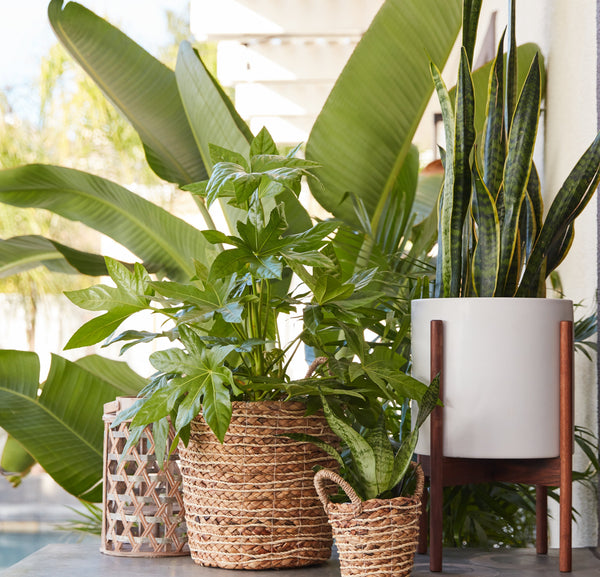
Consider pairing your snake plants with a ZZ Plant, Pothos, or Philodendrons. These plants have similar low-maintenance needs and look great together, adding more greenery to your space.




Leave a comment